Descubra las diferencias clave entre el masaje con piedras calientes y las técnicas de masaje tradicionales. Conozca qué terapia es mejor para usted y descubra cómo cada técnica puede beneficiar su bienestar general.
Más informaciónSpa de masajes relajantes Ozen
Asian Massage Spa | Best Massage Spa Full Body Massage |Foot Massage Essential Oil Massage Pain Relief Massage |Hot Stone Swedish Massage |Cupping Massage Deep Tissue | Back Walking Massage Myofascial Release | Sports Massage Head Hand Foot Reflexology Professional Massage Therapeutic Massage Relaxation Massage Lewisville Massage Flower Mound Massage Highland Village Massage Dallas Massage 982 N Garden Ridge Blvd Lewisville TX 75077 469-664-3169
Servicios
Spa de masajes asiáticos | Masaje Corporal | Masaje con aceite | Masaje para aliviar el dolor | El mejor spa de masajes en Lewisville | Masaje de Montículo de Flores | Masaje del pueblo de las tierras altas | Masaje Dallas Masaje Sueco | Piedra Caliente | Ventosas | Tejido Profundo | Alivio del dolor | Masaje Corporal |Masaje de Pies Masaje Profesional | Masaje Terapéutico | Masaje de Relajación Paseo de Espalda | Liberación miofascial | Masaje deportivo | Reflexología
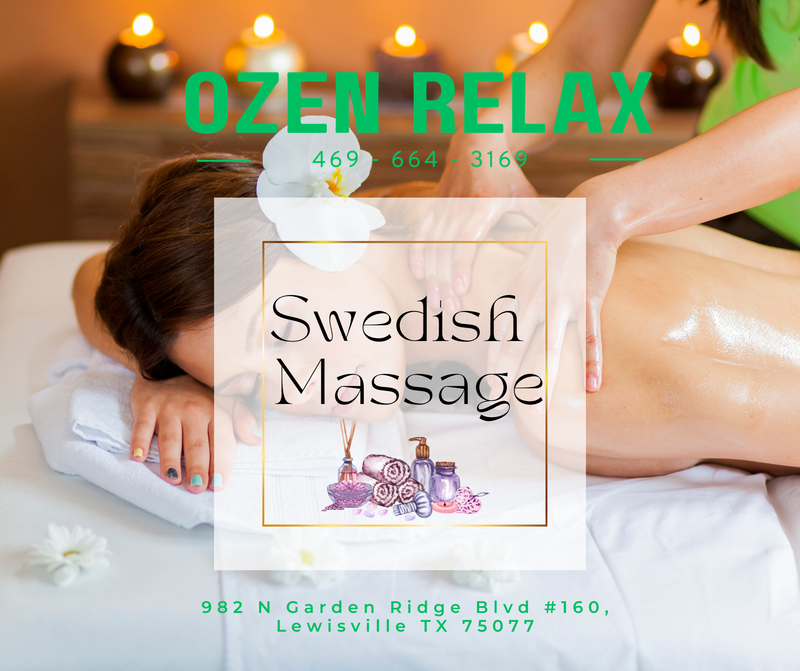
Masaje sueco
El masaje sueco es una técnica de masaje terapéutico y relajante que incorpora movimientos largos y fluidos, amasamiento y movimientos circulares para promover el bienestar general y aliviar la tensión muscular.
Saber más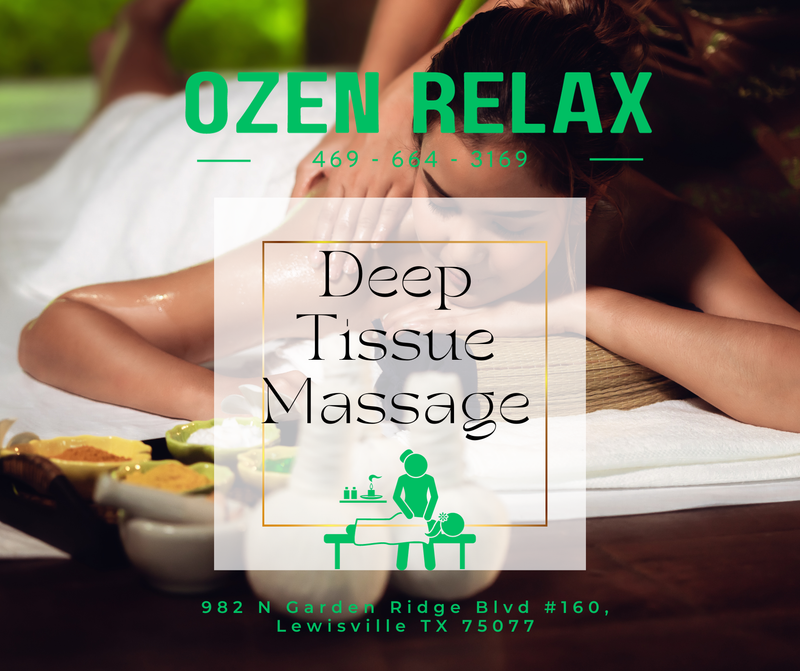
Masaje de tejido profundo
El masaje de tejido profundo es una técnica de masaje terapéutico que se centra en llegar a las capas más profundas de músculos y tejidos conectivos del cuerpo. Utiliza una presión firme y movimientos lentos y deliberados para apuntar a áreas de tensión crónica, adherencias y nudos. Este estilo de masaje tiene como objetivo aliviar el dolor, liberar la rigidez muscular y mejorar la movilidad. Las personas que experimentan tensión muscular, dolor crónico o lesiones relacionadas con el deporte suelen solicitar el masaje de tejido profundo. La presión aplicada durante el masaje puede ser intensa, pero se adapta al nivel de comodidad del cliente. El terapeuta también puede utilizar sus codos, antebrazos o herramientas especializadas para llegar eficazmente a capas profundas de tejido muscular. El masaje de tejido profundo puede brindar alivio, mejorar la recuperación muscular y promover la relajación y el bienestar general. Es importante comunicarse abiertamente con el terapeuta para garantizar una experiencia personalizada y beneficiosa.
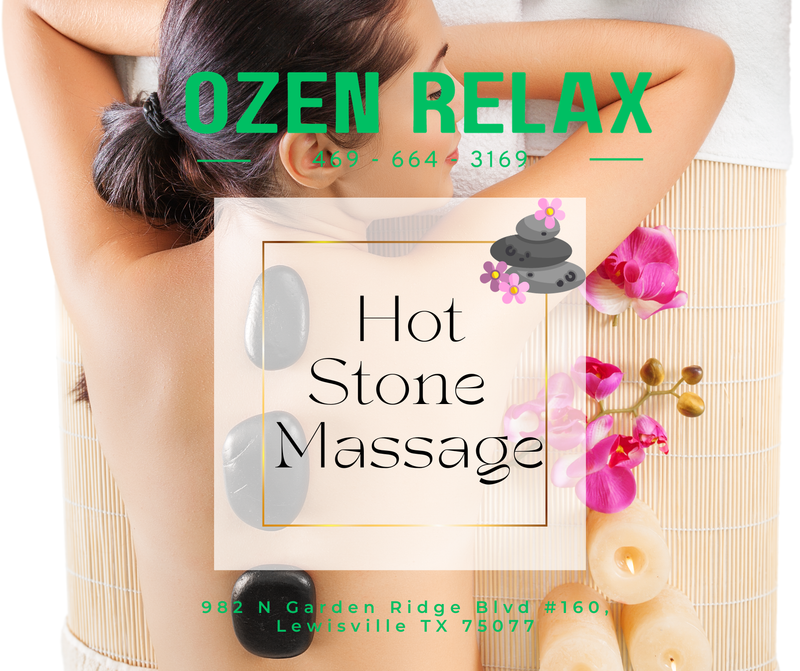
Masaje con piedras calientes
El masaje con piedras calientes es una técnica de masaje terapéutico que implica el uso de piedras calientes para potenciar los beneficios del tratamiento. Piedras lisas y planas, generalmente hechas de basalto, se calientan a una temperatura agradable y se colocan estratégicamente sobre el cuerpo, junto con la aplicación de suaves presiones y movimientos deslizantes. El calor de las piedras penetra profundamente en los músculos, favoreciendo la relajación y aliviando la tensión. El calor también ayuda a mejorar la circulación sanguínea, permitiendo un mejor suministro de oxígeno y nutrientes a los tejidos. El masaje con piedras calientes puede aliviar eficazmente el dolor muscular, reducir el estrés e inducir una profunda sensación de relajación. La combinación de calor y masaje crea una experiencia única y relajante, lo que la convierte en una opción popular para quienes buscan rejuvenecimiento físico y mental.
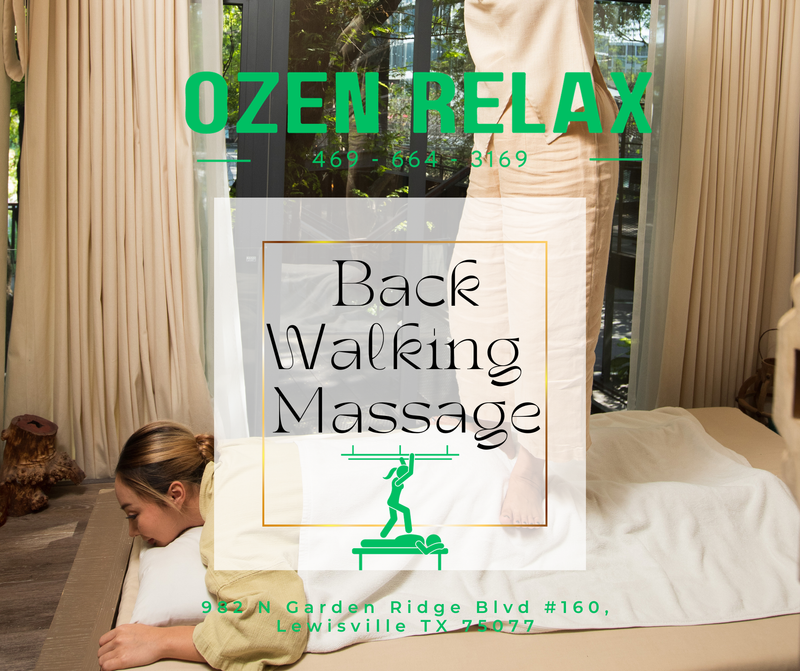
Masaje de espalda
El masaje de espalda, también conocido como masaje descalzo o masaje ashiatsu, es una técnica de masaje única en la que el terapeuta utiliza sus pies para ejercer una presión profunda y específica en la espalda y el cuerpo del cliente. El terapeuta se sostiene de barras o cuerdas sobre la cabeza para mantener el equilibrio y el apoyo mientras usa los pies para aplicar movimientos controlados y relajantes. Esta técnica permite una superficie de contacto más amplia y la capacidad de aplicar más presión en comparación con el masaje de manos tradicional. El masaje para caminar hacia atrás puede aliviar eficazmente la tensión muscular, aliviar el dolor y promover la relajación. Es particularmente beneficioso para personas que buscan un trabajo de tejido profundo o aquellas con áreas específicas de tensión o malestar. El terapeuta puede ajustar la presión según las preferencias y el nivel de comodidad del cliente. El masaje de espalda ofrece una experiencia única y vigorizante que puede ayudar a liberar tensiones y restablecer el equilibrio del cuerpo.
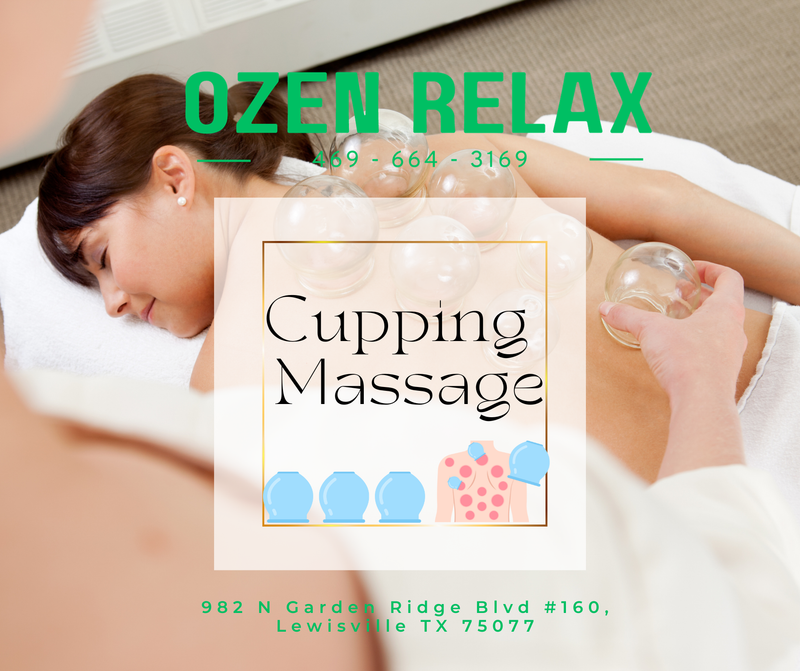
Masaje con ventosas
El masaje con ventosas es una técnica terapéutica que consiste en colocar copas sobre la piel para crear succión. Las copas, generalmente hechas de vidrio, silicona o plástico, se aplican en áreas específicas del cuerpo y pueden dejarse en su lugar o moverse para lograr diferentes efectos. La succión creada por las copas atrae la piel y el tejido subyacente hacia arriba, promoviendo un mayor flujo sanguíneo, liberando la tensión muscular y estimulando los procesos de curación naturales del cuerpo. Se sabe que el masaje con ventosas alivia el dolor muscular, mejora la circulación y promueve una relajación profunda. Aunque las ventosas pueden dejar marcas temporales en la piel, no son dolorosas y generalmente desaparecen en unos pocos días. Esta técnica de masaje única ofrece una experiencia rejuvenecedora y terapéutica para quienes buscan alivio de la tensión muscular y un mejor bienestar general.
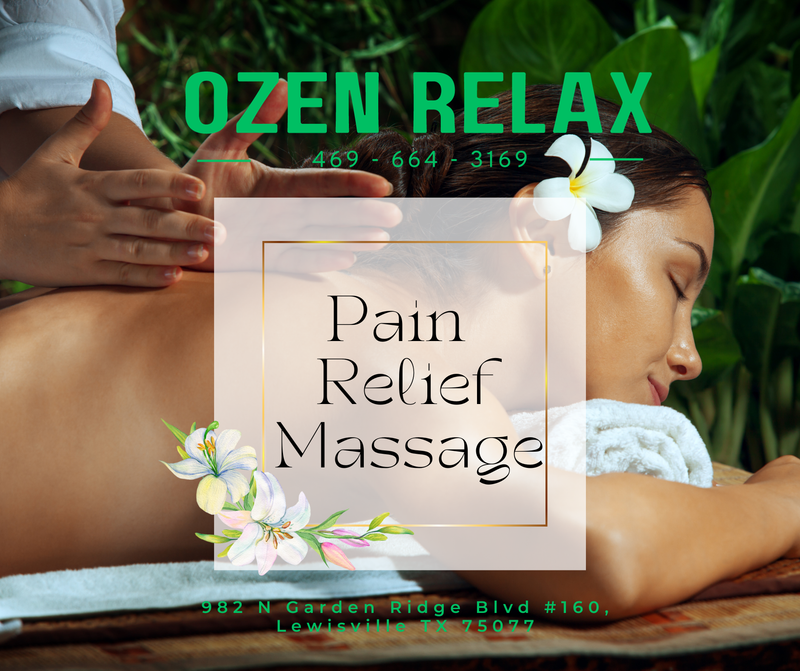
Masaje para aliviar el dolor
El masaje para aliviar el dolor es una forma especializada de terapia de masaje diseñada para abordar y aliviar el dolor crónico o agudo en el cuerpo. El masajista utiliza diversas técnicas, como masaje de tejido profundo, terapia de puntos gatillo y estiramiento, para abordar áreas específicas de dolor y malestar. Al aplicar presión específica y manipular los tejidos blandos, el masaje para aliviar el dolor tiene como objetivo reducir la inflamación, liberar la tensión muscular y mejorar la circulación sanguínea. Este tipo de masaje puede ser beneficioso para personas que padecen afecciones como dolor de espalda, dolor de cuello y hombros, lesiones deportivas o lesiones por esfuerzos repetitivos. El masaje para aliviar el dolor promueve la relajación, estimula la liberación de endorfinas y ayuda a restaurar la movilidad y la función. Es importante comunicarse abiertamente con el masajista sobre sus preocupaciones específicas sobre el dolor y cualquier condición médica para garantizar un tratamiento personalizado y eficaz.
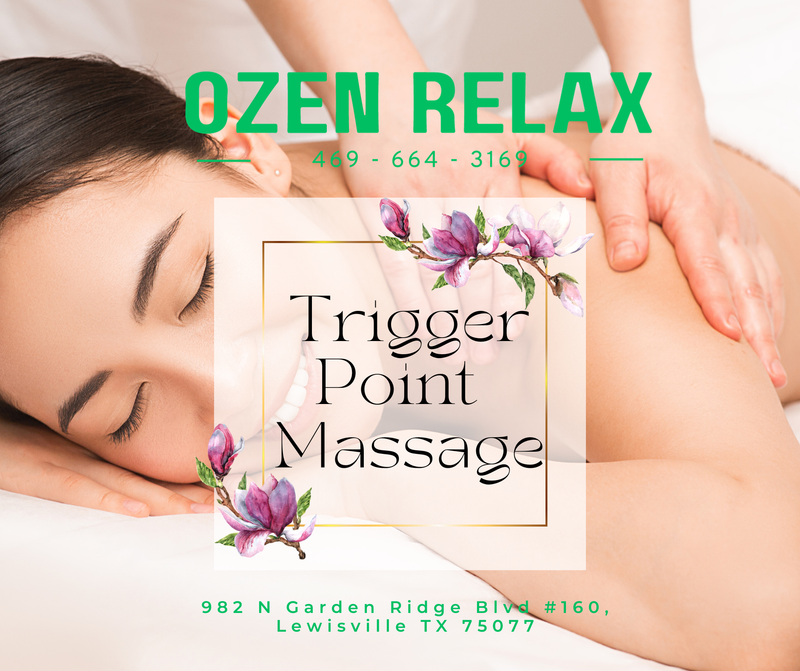
Masaje de puntos gatillo
El masaje de puntos gatillo es una técnica terapéutica que se centra en aliviar el dolor y la tensión muscular apuntando a áreas específicas de tensión muscular e hiperirritabilidad llamadas puntos gatillo. Durante una sesión, un terapeuta evalúa y aplica presión sostenida a estos puntos gatillo para liberar la tensión y aliviar el dolor. Este enfoque puede ser eficaz para controlar el dolor muscular y mejorar la función muscular, aunque puede causar molestias temporales durante el tratamiento. Es importante consultar con un terapeuta calificado para recibir atención personalizada.
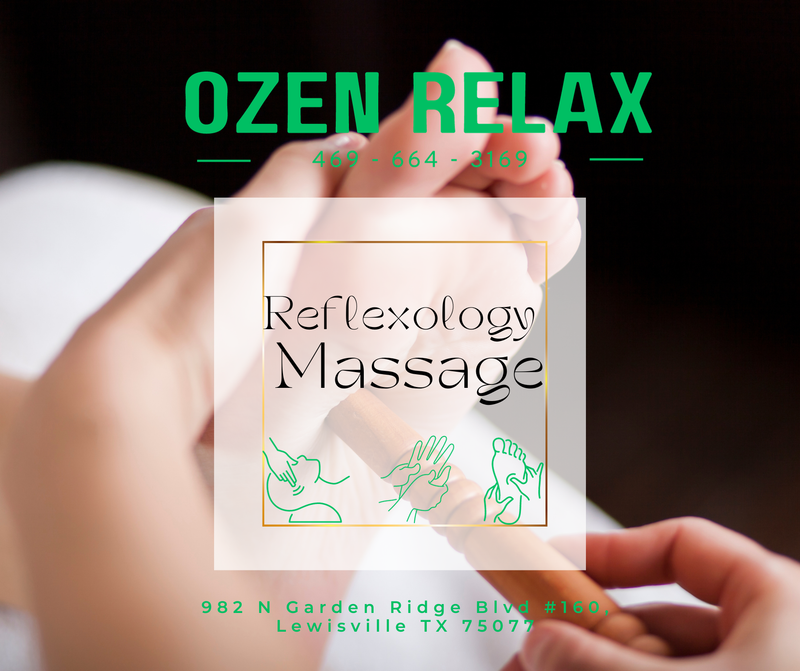
Reflexología
El masaje de reflexología consiste en aplicar presión en puntos específicos de los pies, las manos o las orejas que corresponden a diferentes partes del cuerpo. El objetivo es promover la relajación y estimular los procesos curativos naturales del cuerpo abordando desequilibrios o bloqueos. Si bien no reemplaza el tratamiento médico, las personas utilizan la reflexología para la relajación y el bienestar. Su eficacia es objeto de debate y, en general, se considera una terapia complementaria. Siempre consulte a un profesional de la salud si tiene inquietudes médicas específicas.
Acerca de
Relájese, refrésquese y reequilibre el spa de masajes asiáticos | Masaje de cuerpo completo | Masaje con aceite | Masaje para aliviar el dolor | El mejor spa de masajes en Lewisville | Masaje de Montículo de Flores | Masaje del pueblo de las tierras altas | Masaje Dallas Masaje Sueco | Piedra Caliente | Ventosas | Tejido Profundo | Alivio del dolor | Masaje Corporal |Masaje de Pies Masaje Profesional | Masaje Terapéutico | Masaje de Relajación Paseo de Espalda | Liberación miofascial | Masaje deportivo | Reflexología
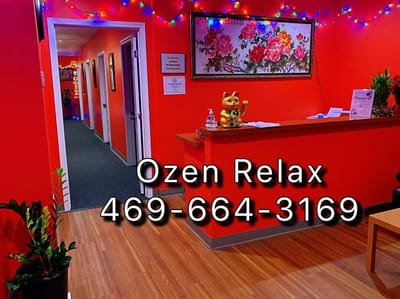
En Ozen Relax Massage Spa, nos dedicamos a brindarle una experiencia rejuvenecedora y relajante que le dejará sintiéndose relajado, renovado y revitalizado. Entendemos la importancia del autocuidado y el impacto que puede tener en su bienestar general.
Nuestros masajistas, altamente cualificados y capacitados, se especializan en diversas técnicas de masaje, como masaje sueco, masaje de tejido profundo, masaje con piedras calientes, masaje de estiramiento y más. Cada masaje se adapta a sus necesidades y preferencias específicas, garantizando un tratamiento personalizado y eficaz.
Adéntrese en la tranquilidad y serenidad de nuestro spa, diseñado para crear un oasis de paz donde pueda escapar del estrés diario. Nuestras cómodas salas de tratamiento están equipadas con iluminación suave, música relajante y un ambiente cálido, creando el entorno perfecto para su experiencia de masaje.
En Ozen Relax Massage Spa, priorizamos su comodidad y satisfacción. Nuestro amable y profesional personal se compromete a brindar un servicio al cliente excepcional, desde el momento en que entra hasta que se va. Nos tomamos el tiempo para escuchar sus inquietudes y objetivos, asegurándonos de que cada sesión se personalice para satisfacer sus necesidades específicas.
Ya sea que busque relajación, alivio del dolor, reducción del estrés o simplemente un merecido mimo, nuestros tratamientos de masaje están diseñados para satisfacer sus preferencias individuales. Creemos en el poder transformador del tacto y los profundos beneficios que puede tener en su mente, cuerpo y espíritu.
Disfrute del lujo del autocuidado y experimente los beneficios curativos del masaje en Ozen Relax Massage Spa. Regálese una escapada bien merecida y deje que nuestros terapeutas expertos le ayuden a disipar sus tensiones y preocupaciones. Descubra la relajación y el rejuvenecimiento definitivos en nuestro spa, donde su bienestar es nuestra máxima prioridad.
Visítenos en Ozen Relax Massage Spa y disfrute de un viaje de relajación, restauración y rejuvenecimiento. Esperamos atenderle y ayudarle a alcanzar un bienestar óptimo a través del poder curativo del masaje.
Preguntas más frecuentes
Spa de masajes asiáticos | Masaje de cuerpo completo | Masaje con aceite | Masaje para aliviar el dolor | El mejor spa de masajes en Lewisville | Masaje de Montículo de Flores | Masaje del pueblo de las tierras altas | Masaje Dallas Masaje Sueco | Piedra Caliente | Ventosas | Tejido Profundo | Alivio del dolor | Masaje Corporal |Masaje de Pies Masaje Profesional | Masaje Terapéutico | Masaje de Relajación Paseo de Espalda | Liberación miofascial | Masaje deportivo | Reflexología
¿Qué debo esperar durante mi primera sesión de masaje?
When you arrive at our spa, you will be greeted by our friendly staff and asked to fill out a massage intake form. This form includes questions about your personal information, health history, and any specific concerns or areas of focus you may have. It helps us understand your needs and ensures that the massage is tailored to your individual requirements. You will also be provided with a disclaimer statement to read and sign, which outlines our policies and ensures your understanding and consent.
After completing the paperwork, you will have a brief consultation with your therapist. They will review the information on your intake form, discuss any particular areas of tension or discomfort, and answer any questions you may have. This consultation allows the therapist to customize the massage to address your specific needs effectively.
When it's time for the massage to begin, the therapist will guide you to a private treatment room. You will be given privacy to undress to your comfort level, and you will be provided with a sheet or towel (referred to as draping) to cover yourself. Draping is required by law to ensure your privacy and maintain a professional and respectful environment.
Once you are ready, the therapist will knock on the door and re-enter the room. Throughout the massage, it is important to communicate openly with the therapist. You can let them know if you prefer more or less pressure, if any specific areas need more attention, or if you have any discomfort. Your comfort and satisfaction are our top priorities, and the therapist will adjust the techniques and pressure accordingly to ensure an enjoyable experience.
Remember, our therapists are professionals who adhere to strict ethical guidelines, ensuring your comfort, privacy, and well-being throughout the session. Please feel free to communicate any concerns or preferences you have, as it will help us provide you with the best possible massage experience.
After completing the paperwork, you will have a brief consultation with your therapist. They will review the information on your intake form, discuss any particular areas of tension or discomfort, and answer any questions you may have. This consultation allows the therapist to customize the massage to address your specific needs effectively.
When it's time for the massage to begin, the therapist will guide you to a private treatment room. You will be given privacy to undress to your comfort level, and you will be provided with a sheet or towel (referred to as draping) to cover yourself. Draping is required by law to ensure your privacy and maintain a professional and respectful environment.
Once you are ready, the therapist will knock on the door and re-enter the room. Throughout the massage, it is important to communicate openly with the therapist. You can let them know if you prefer more or less pressure, if any specific areas need more attention, or if you have any discomfort. Your comfort and satisfaction are our top priorities, and the therapist will adjust the techniques and pressure accordingly to ensure an enjoyable experience.
Remember, our therapists are professionals who adhere to strict ethical guidelines, ensuring your comfort, privacy, and well-being throughout the session. Please feel free to communicate any concerns or preferences you have, as it will help us provide you with the best possible massage experience.
¿Quién debería recibir un masaje?
La terapia de masaje suele ser segura y beneficiosa para la mayoría de las personas. Personas de diferentes edades y estilos de vida pueden disfrutarla. Estos son algunos ejemplos de personas que pueden beneficiarse de un masaje:
1. Personas con tensión y dolor muscular: La terapia de masaje puede ayudar a aliviar la tensión muscular, reducir el dolor y mejorar la flexibilidad. Es beneficiosa para quienes sufren contracturas musculares, nudos o dolores crónicos, como dolor de espalda, dolor de cuello o lesiones por esfuerzo repetitivo.
2. Personas con estrés y ansiedad: El masaje tiene un efecto calmante y relajante en el cuerpo y la mente. Puede ayudar a reducir el estrés y la ansiedad, y promover una sensación de bienestar. Las sesiones regulares de masaje pueden ser una herramienta valiosa para controlar el estrés y mantener el bienestar mental general.
3. Atletas y personas activas: La terapia de masaje desempeña un papel fundamental en el deporte y el rendimiento atlético. Puede ayudar a mejorar el rendimiento deportivo, prevenir lesiones y favorecer la recuperación muscular tras una actividad física intensa. Los atletas suelen incorporar el masaje a su rutina de entrenamiento para mejorar su estado físico general y optimizar su rendimiento.
4. Personas con trabajos de oficina o estilos de vida sedentarios: Las personas que pasan muchas horas sentadas o tienen trabajos sedentarios pueden experimentar rigidez muscular, tensión y desequilibrios posturales. El masaje puede ayudar a aliviar la tensión muscular, mejorar la postura y aumentar la circulación sanguínea, promoviendo así la salud musculoesquelética general.
5. Personas con problemas de circulación: La terapia de masaje puede mejorar la circulación sanguínea, lo cual es beneficioso para personas con mala circulación o afecciones como la diabetes. Una mejor circulación puede ayudar a transportar oxígeno y nutrientes a los tejidos, promover la curación y reducir la inflamación.
6. Personas que buscan relajación y autocuidado: El masaje es una excelente manera de desconectar, relajarse y cuidarse. Ya sea que desee consentirse o simplemente disfrutar de los beneficios terapéuticos del tacto, un masaje puede brindar una experiencia rejuvenecedora y revitalizante.
Es importante comunicar sus objetivos, preferencias y cualquier inquietud específica a su masajista. Él podrá adaptar las técnicas y la presión del masaje a sus necesidades individuales y brindarle una experiencia segura y placentera.
1. Personas con tensión y dolor muscular: La terapia de masaje puede ayudar a aliviar la tensión muscular, reducir el dolor y mejorar la flexibilidad. Es beneficiosa para quienes sufren contracturas musculares, nudos o dolores crónicos, como dolor de espalda, dolor de cuello o lesiones por esfuerzo repetitivo.
2. Personas con estrés y ansiedad: El masaje tiene un efecto calmante y relajante en el cuerpo y la mente. Puede ayudar a reducir el estrés y la ansiedad, y promover una sensación de bienestar. Las sesiones regulares de masaje pueden ser una herramienta valiosa para controlar el estrés y mantener el bienestar mental general.
3. Atletas y personas activas: La terapia de masaje desempeña un papel fundamental en el deporte y el rendimiento atlético. Puede ayudar a mejorar el rendimiento deportivo, prevenir lesiones y favorecer la recuperación muscular tras una actividad física intensa. Los atletas suelen incorporar el masaje a su rutina de entrenamiento para mejorar su estado físico general y optimizar su rendimiento.
4. Personas con trabajos de oficina o estilos de vida sedentarios: Las personas que pasan muchas horas sentadas o tienen trabajos sedentarios pueden experimentar rigidez muscular, tensión y desequilibrios posturales. El masaje puede ayudar a aliviar la tensión muscular, mejorar la postura y aumentar la circulación sanguínea, promoviendo así la salud musculoesquelética general.
5. Personas con problemas de circulación: La terapia de masaje puede mejorar la circulación sanguínea, lo cual es beneficioso para personas con mala circulación o afecciones como la diabetes. Una mejor circulación puede ayudar a transportar oxígeno y nutrientes a los tejidos, promover la curación y reducir la inflamación.
6. Personas que buscan relajación y autocuidado: El masaje es una excelente manera de desconectar, relajarse y cuidarse. Ya sea que desee consentirse o simplemente disfrutar de los beneficios terapéuticos del tacto, un masaje puede brindar una experiencia rejuvenecedora y revitalizante.
Es importante comunicar sus objetivos, preferencias y cualquier inquietud específica a su masajista. Él podrá adaptar las técnicas y la presión del masaje a sus necesidades individuales y brindarle una experiencia segura y placentera.
¿Quién no debería recibir un masaje?
Si bien la terapia de masaje ofrece numerosos beneficios, existen ciertas situaciones en las que puede ser mejor evitar o posponer una sesión de masaje. Las personas que se encuentren en las siguientes categorías deben consultar con su profesional de la salud o un masajista cualificado antes de recibir un masaje:
1. Afecciones infecciosas o contagiosas: Si padece una afección cutánea contagiosa, como tiña, sarna o un brote de herpes activo, se recomienda abstenerse de recibir masajes hasta que la afección haya remitido. Esto ayuda a prevenir la propagación de la infección tanto al terapeuta como a otros clientes.
2. Fiebre o enfermedad aguda: Si tiene fiebre, síntomas de gripe o cualquier enfermedad aguda, se recomienda reprogramar su cita de masaje. El masaje puede estresar aún más su cuerpo y potencialmente empeorar sus síntomas.
3. Cirugía o lesión reciente: Si se ha sometido a una cirugía o ha sufrido una lesión importante, es importante consultar con su médico o cirujano antes de recibir un masaje. Ellos pueden orientarle sobre cuándo es seguro y apropiado comenzar la terapia de masaje y si es necesario realizar alguna modificación.
4. Trombosis venosa profunda o trastornos de la coagulación sanguínea: Las personas con antecedentes de trombosis venosa profunda (TVP) o trastornos de la coagulación sanguínea deben evitar el masaje en la zona afectada. La presión aplicada durante el masaje podría desprender un coágulo y representar un grave riesgo para la salud.
5. Ciertas afecciones médicas: Existen afecciones médicas específicas, como cáncer, hipertensión arterial no controlada, osteoporosis grave, infecciones cutáneas o diabetes no controlada, que pueden requerir un enfoque cauteloso al masaje o modificaciones específicas. Es importante hablar sobre su historial médico y afecciones con su profesional de la salud o masajista antes de programar una sesión.
6. Complicaciones del embarazo: Las embarazadas con ciertas complicaciones, como preeclampsia, embarazo de alto riesgo, placenta previa o antecedentes de parto prematuro, deben consultar con su obstetra o partera antes de recibir un masaje. El masaje prenatal debe ser realizado por terapeutas capacitados en atención prenatal.
Es fundamental comunicarse abierta y honestamente con su profesional de la salud o masajista sobre cualquier problema de salud, afección o medicamento que esté tomando. Ellos pueden brindarle la orientación adecuada y garantizar su seguridad y bienestar durante una sesión de masaje.
1. Afecciones infecciosas o contagiosas: Si padece una afección cutánea contagiosa, como tiña, sarna o un brote de herpes activo, se recomienda abstenerse de recibir masajes hasta que la afección haya remitido. Esto ayuda a prevenir la propagación de la infección tanto al terapeuta como a otros clientes.
2. Fiebre o enfermedad aguda: Si tiene fiebre, síntomas de gripe o cualquier enfermedad aguda, se recomienda reprogramar su cita de masaje. El masaje puede estresar aún más su cuerpo y potencialmente empeorar sus síntomas.
3. Cirugía o lesión reciente: Si se ha sometido a una cirugía o ha sufrido una lesión importante, es importante consultar con su médico o cirujano antes de recibir un masaje. Ellos pueden orientarle sobre cuándo es seguro y apropiado comenzar la terapia de masaje y si es necesario realizar alguna modificación.
4. Trombosis venosa profunda o trastornos de la coagulación sanguínea: Las personas con antecedentes de trombosis venosa profunda (TVP) o trastornos de la coagulación sanguínea deben evitar el masaje en la zona afectada. La presión aplicada durante el masaje podría desprender un coágulo y representar un grave riesgo para la salud.
5. Ciertas afecciones médicas: Existen afecciones médicas específicas, como cáncer, hipertensión arterial no controlada, osteoporosis grave, infecciones cutáneas o diabetes no controlada, que pueden requerir un enfoque cauteloso al masaje o modificaciones específicas. Es importante hablar sobre su historial médico y afecciones con su profesional de la salud o masajista antes de programar una sesión.
6. Complicaciones del embarazo: Las embarazadas con ciertas complicaciones, como preeclampsia, embarazo de alto riesgo, placenta previa o antecedentes de parto prematuro, deben consultar con su obstetra o partera antes de recibir un masaje. El masaje prenatal debe ser realizado por terapeutas capacitados en atención prenatal.
Es fundamental comunicarse abierta y honestamente con su profesional de la salud o masajista sobre cualquier problema de salud, afección o medicamento que esté tomando. Ellos pueden brindarle la orientación adecuada y garantizar su seguridad y bienestar durante una sesión de masaje.
¿Qué tipo de masaje debo elegir?
When choosing a type of massage, it is important to consider your specific needs, preferences, and goals. Here are some popular types of massage and their benefits to help you make an informed decision:
1. Swedish Massage: Swedish massage is the most common and widely practiced form of massage therapy. It involves long, flowing strokes, kneading, and circular movements to promote relaxation, improve blood circulation, and relieve muscle tension. It is an excellent choice for overall relaxation, stress reduction, and promoting a sense of well-being.
2. Deep Tissue Massage: Deep tissue massage targets the deeper layers of muscles and connective tissue. It uses more intense pressure and slow, focused strokes to address chronic muscle tension, knots, and areas of pain. This type of massage is beneficial for individuals with chronic muscle pain, postural imbalances, and limited mobility.
3. Hot Stone Massage: Hot stone massage incorporates heated smooth stones placed on specific points of the body, along with traditional massage techniques. The warmth of the stones helps to relax the muscles, improve blood circulation, and promote deep relaxation. It is particularly effective in relieving muscle tension and inducing a sense of tranquility.
4. Sports Massage: Sports massage is geared towards athletes and individuals engaged in physical activities. It involves a combination of techniques that help prevent injuries, enhance athletic performance, and aid in post-workout recovery. Sports massage can include stretching, deep tissue techniques, and targeted therapy for specific muscle groups.
5. Prenatal Massage: Prenatal massage is designed specifically for expectant mothers to help relieve pregnancy-related discomforts such as back pain, swelling, and joint stiffness. It is performed with caution and adaptations to ensure the safety and comfort of the mother and baby.
6. Aromatherapy Massage: Aromatherapy massage combines the benefits of massage with the use of essential oils. The therapist incorporates essential oils into the massage lotion or oil, providing a soothing and aromatic experience. Different essential oils offer various benefits, such as relaxation, stress relief, or invigoration, depending on your desired outcome.
7. Pain Relief Massage: Pain relief massage focuses on reducing pain and discomfort in specific areas of the body. The therapist uses a combination of techniques, such as deep tissue massage, trigger point therapy, and stretching, to target and alleviate pain caused by conditions like muscle strains, injuries, or chronic pain conditions. Pain relief massage aims to improve range of motion, release tension, and promote healing.
8. Back-Walking Massage: Back-walking massage, also known as ashiatsu massage, involves the therapist using their feet to apply pressure and perform massage techniques on the client's back. The therapist holds onto bars or ropes attached to the ceiling for balance and control. This type of massage provides deep, broad pressure, making it effective for releasing tension and knots in the muscles. It is particularly beneficial for individuals who prefer deeper pressure or have specific areas of tension in the back.
9. Cupping Massage: Cupping massage involves placing cups on the skin to create suction. The cups may be made of glass, silicone, or plastic. The suction helps to increase blood flow, loosen tight muscles, and release fascial restrictions. Cupping massage is known to relieve muscle soreness, improve circulation, and promote overall relaxation. It can leave temporary marks on the skin, but they are not painful and typically fade within a few days.
When considering these additional types of massage, it is important to discuss your specific needs and expectations with your massage therapist. They can provide further information and guidance to help you choose the most appropriate massage technique for your desired outcomes.
1. Swedish Massage: Swedish massage is the most common and widely practiced form of massage therapy. It involves long, flowing strokes, kneading, and circular movements to promote relaxation, improve blood circulation, and relieve muscle tension. It is an excellent choice for overall relaxation, stress reduction, and promoting a sense of well-being.
2. Deep Tissue Massage: Deep tissue massage targets the deeper layers of muscles and connective tissue. It uses more intense pressure and slow, focused strokes to address chronic muscle tension, knots, and areas of pain. This type of massage is beneficial for individuals with chronic muscle pain, postural imbalances, and limited mobility.
3. Hot Stone Massage: Hot stone massage incorporates heated smooth stones placed on specific points of the body, along with traditional massage techniques. The warmth of the stones helps to relax the muscles, improve blood circulation, and promote deep relaxation. It is particularly effective in relieving muscle tension and inducing a sense of tranquility.
4. Sports Massage: Sports massage is geared towards athletes and individuals engaged in physical activities. It involves a combination of techniques that help prevent injuries, enhance athletic performance, and aid in post-workout recovery. Sports massage can include stretching, deep tissue techniques, and targeted therapy for specific muscle groups.
5. Prenatal Massage: Prenatal massage is designed specifically for expectant mothers to help relieve pregnancy-related discomforts such as back pain, swelling, and joint stiffness. It is performed with caution and adaptations to ensure the safety and comfort of the mother and baby.
6. Aromatherapy Massage: Aromatherapy massage combines the benefits of massage with the use of essential oils. The therapist incorporates essential oils into the massage lotion or oil, providing a soothing and aromatic experience. Different essential oils offer various benefits, such as relaxation, stress relief, or invigoration, depending on your desired outcome.
7. Pain Relief Massage: Pain relief massage focuses on reducing pain and discomfort in specific areas of the body. The therapist uses a combination of techniques, such as deep tissue massage, trigger point therapy, and stretching, to target and alleviate pain caused by conditions like muscle strains, injuries, or chronic pain conditions. Pain relief massage aims to improve range of motion, release tension, and promote healing.
8. Back-Walking Massage: Back-walking massage, also known as ashiatsu massage, involves the therapist using their feet to apply pressure and perform massage techniques on the client's back. The therapist holds onto bars or ropes attached to the ceiling for balance and control. This type of massage provides deep, broad pressure, making it effective for releasing tension and knots in the muscles. It is particularly beneficial for individuals who prefer deeper pressure or have specific areas of tension in the back.
9. Cupping Massage: Cupping massage involves placing cups on the skin to create suction. The cups may be made of glass, silicone, or plastic. The suction helps to increase blood flow, loosen tight muscles, and release fascial restrictions. Cupping massage is known to relieve muscle soreness, improve circulation, and promote overall relaxation. It can leave temporary marks on the skin, but they are not painful and typically fade within a few days.
When considering these additional types of massage, it is important to discuss your specific needs and expectations with your massage therapist. They can provide further information and guidance to help you choose the most appropriate massage technique for your desired outcomes.
¿Aceptan tarjetas de crédito?
Sí, aceptamos una variedad de tarjetas para el pago. Puede utilizar las principales tarjetas de crédito como Visa, MasterCard, American Express y Discover. Además, también aceptamos tarjetas de débito populares asociadas con estas redes.
Aceptamos todos los pagos a continuación:
Aceptamos todos los pagos a continuación:
- Dinero
- Tarjetas de débito
- Principales tarjetas de crédito
- pago de manzana
- Pago sin contacto
- pago de google
¿Tengo que desvestirme?
No es necesario que se desnude. Si opta por un masaje con aceite, siéntase libre de desvestirse hasta su nivel de comodidad. Para masajes sin aceite, puedes dejar la ropa puesta. Utilice ropa holgada o cómoda para mejorar su comodidad general durante la sesión.
Blog
Si la salud es riqueza, te haremos millonario. Spa de masajes asiáticos | Masaje de cuerpo completo | Masaje con aceite | Masaje para aliviar el dolor | El mejor spa de masajes en Lewisville | Masaje de Montículo de Flores | Masaje del pueblo de las tierras altas | Masaje Dallas Masaje Sueco | Piedra Caliente | Ventosas | Tejido Profundo | Alivio del dolor | Masaje Corporal |Masaje de Pies Masaje Profesional | Masaje Terapéutico | Masaje de Relajación Paseo de Espalda | Liberación miofascial | Masaje deportivo | Reflexología
Descubre los numerosos beneficios de incorporar un masaje diario a tu rutina para mejorar la salud y el bienestar.
Más informaciónEl masaje con ventosas, una terapia antigua con raíces en Egipto, la medicina tradicional china, Grecia y la medicina islámica, implica el uso de ventosas para crear succión en la piel, con el objetivo de reducir el dolor, aumentar el flujo sanguíneo y promover la relajación.
Más información¿Tiene dolor de espalda? ¿Qué lo causa? ¿Qué trabajos son más propensos a sufrir dolor de espalda? ¿Cómo el masaje puede ayudar al dolor de espalda?
Más informaciónWho We Help

Trabajador de TI con dolor de hombro y cuello
One of my clients works in IT and spends most of his day in front of a computer, often 9–10 hours. Over time he started noticing tightness building up in his neck, shoulders, and upper back, and sometimes even tension headaches after work. During the session, I focused on releasing the tension around his neck, shoulders, and shoulder blades using deeper pressure and gentle stretching. By the end of the massage, he said his shoulders felt much lighter and turning his neck was much easier. I suggested taking regular breaks from the computer, stretching during the day, and getting massage regularly to prevent the tension from building up again.

Conductor de camión con dolor lumbar
One of my clients is a truck driver in his early 40s who spends most of his day sitting and driving, often for 8–12 hours with very little movement. Over time he began to feel tightness building up in his lower back and hips, especially after long driving shifts. During the session, I focused on releasing tension in the lower back, hips, and glute muscles using deeper pressure and gentle stretching. After the massage he said his lower back felt much looser and standing up felt more comfortable. I suggested taking short breaks to stretch when possible and getting regular massage sessions to help manage the tension from long hours of driving.

Corredor con piernas tensas
One of my clients in her late 20s enjoys running several times a week for exercise. Recently she started noticing tightness in her calves and hamstrings, especially after longer runs, and her legs often felt stiff after workouts. During the session, I focused on releasing tension in the hamstrings, calves, and upper legs using deeper pressure and gentle stretching to help the muscles relax. After the massage she said her legs felt much lighter and walking felt more comfortable. I recommended stretching after runs, warming up properly before workouts, staying well hydrated, and getting regular massage sessions to help support muscle recovery.
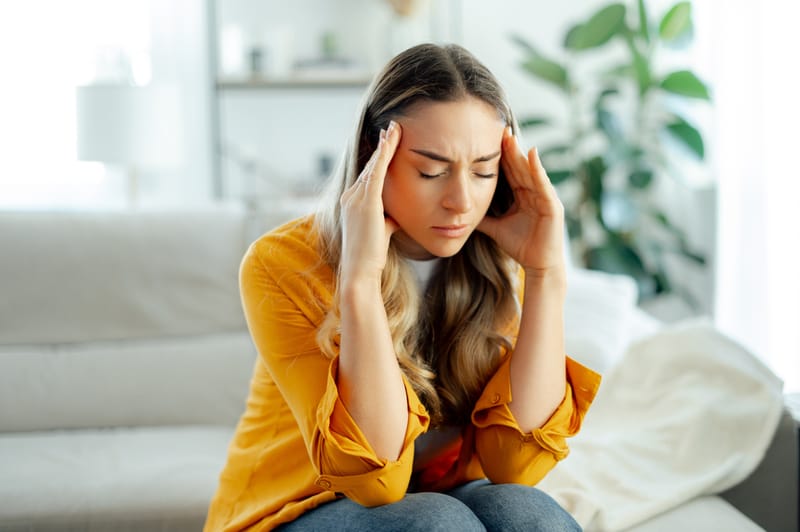
Trabajador de oficina con estrés y dolores de cabeza
One of my clients works in a high-stress office environment and spends long hours in front of a computer. Over time he began experiencing tight shoulders, neck tension, and frequent tension headaches after work. During the session, I focused on releasing tension in the neck, shoulders, and upper back using slow pressure and relaxing techniques to help the muscles unwind. After the massage he said he felt much more relaxed and noticed the tightness in his shoulders had reduced. I suggested taking regular breaks from the computer, doing simple neck and shoulder stretches during the day, improving desk posture, and scheduling regular massage sessions to help manage stress and muscle tension.
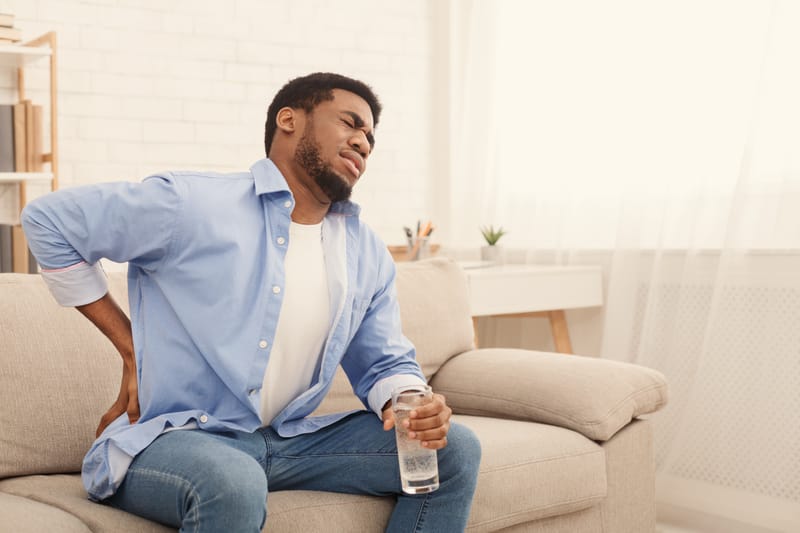
Trabajador de la construcción con tensión en los hombros y la espalda
One of my clients works in construction and performs physical labor every day, often lifting and carrying heavy materials. Over time he developed tightness in his shoulders, upper back fatigue, and occasional lower back discomfort after long workdays. During the session, I focused on releasing tension in his shoulders, upper back, and lower back using deeper pressure and slow muscle work to help the muscles relax. After the massage he mentioned that his shoulders felt less tight and his back felt much more comfortable. I suggested stretching before and after work, staying well hydrated, taking short recovery breaks, and getting regular massage sessions to help his body recover from physical work.

Rigidez en el cuello por dormir mal
One of my clients came in one morning after waking up with a stiff neck, likely from sleeping in an awkward position the night before. He felt pain when turning his head and tightness around his neck and upper shoulders, which made simple movements uncomfortable. During the session, I focused on gently releasing tension in the neck, upper shoulders, and upper back using light pressure and slow muscle work to help the muscles relax. After the massage he said his neck felt much looser and turning his head was easier. I suggested using a supportive pillow, avoiding twisted sleeping positions, doing gentle neck stretches, and getting massage if the stiffness happens often.
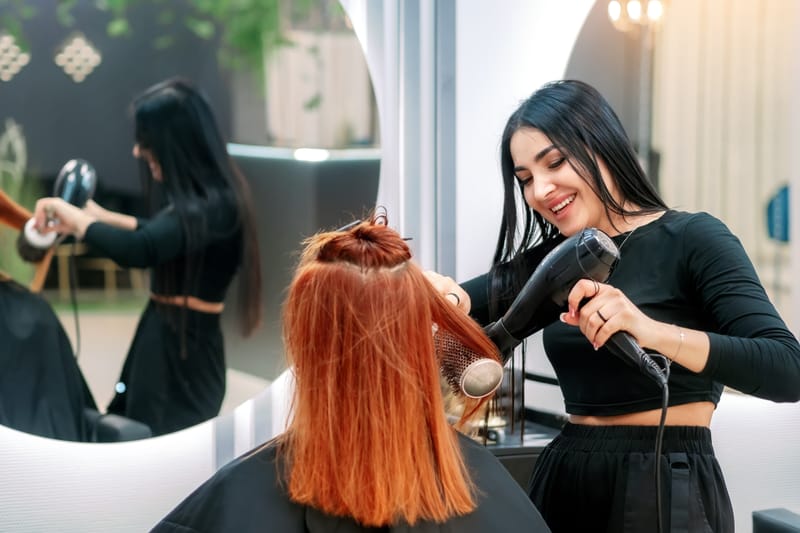
Hair Stylist with Shoulder and Wrist Tension
One of my clients is a hair stylist who spends most of the day standing and working with her arms raised while cutting and styling hair. Over time she developed tightness in her shoulders, upper back, and wrists. During the session, I focused on releasing tension in the shoulders, upper back, and forearms using slow deep pressure and gentle stretching. After the massage she said her shoulders felt lighter and her arms felt less tired. I suggested doing simple arm and shoulder stretches during breaks, relaxing the wrists whenever possible, and getting regular massage sessions to help relieve tension from repetitive work.

Nurse with Lower Back and Leg Fatigue
One of my clients is a nurse who works long shifts and spends many hours walking, standing, and helping move patients. Over time she began feeling fatigue in her legs and tightness in her lower back after work. During the session, I focused on her lower back, hips, and legs to help release tension and improve circulation. After the massage she mentioned that her legs felt much lighter and her back felt more relaxed. I recommended stretching the hips and legs after long shifts, staying well hydrated, and scheduling regular massage sessions to help her body recover from long hours on her feet.
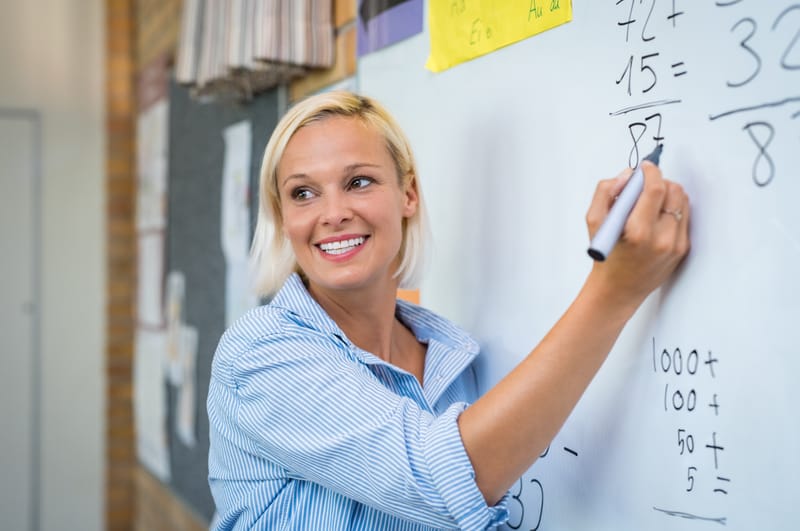
Teacher with Neck and Upper Back Tension
One of my clients is a teacher who spends much of the day standing, writing on the board, and working on a computer. Over time she started noticing tightness in her neck and upper back, especially after long days at school. During the session, I focused on releasing tension in the neck, shoulders, and upper back using slow pressure and gentle stretching. After the massage she said her neck felt much looser and her shoulders felt more relaxed. I recommended taking short breaks to stretch during the day, maintaining good posture while working, and getting regular massage sessions to help prevent tension from building up.

Restaurant Server with Leg and Back Fatigue
One of my clients works as a restaurant server and spends many hours walking and standing during busy shifts. After work she often feels soreness in her calves and tightness in her lower back. During the massage session, I focused on her calves, legs, and lower back to help release muscle tension and improve circulation. After the massage she said her legs felt lighter and moving around felt more comfortable. I suggested stretching the calves and legs after work, wearing supportive shoes when possible, and getting regular massage sessions to help reduce muscle fatigue from long hours on her feet.

Warehouse Worker with Back and Shoulder Strain
One of my clients works in a warehouse and regularly lifts and moves heavy boxes throughout the day. Over time he developed tightness in his shoulders and lower back from repetitive lifting and physical work. During the session, I focused on the shoulders, upper back, and lower back using deep pressure to help release muscle tension. After the massage he said his back felt looser and his shoulders felt less tight. I suggested stretching before and after work, using proper lifting posture whenever possible, and getting regular massage sessions to help reduce strain from repetitive physical tasks.

Dentist with Neck and Shoulder Pain
One of my clients is a dentist who spends long hours leaning forward while working with patients. Over time this posture caused tightness in the neck and shoulders. During the massage session, I focused on the neck, shoulders, and upper back to help release tension caused by long periods of leaning forward. After the massage he mentioned that his neck felt much looser and the shoulder tension had reduced. I recommended adjusting posture when possible, taking short breaks between patients to stretch the neck and shoulders, and scheduling regular massage sessions to help manage tension from long working hours.
Contacto
Abierto 365 | Tarjetas Aceptadas | Spa de masajes asiáticos de bienvenida sin cita previa | Masaje de cuerpo completo | Masaje con aceite | Masaje para aliviar el dolor | El mejor spa de masajes en Lewisville | Masaje de Montículo de Flores | Masaje del pueblo de las tierras altas | Masaje Dallas Masaje Sueco | Piedra Caliente | Ventosas | Tejido Profundo | Alivio del dolor | Masaje Corporal |Masaje de Pies Masaje Profesional | Masaje Terapéutico | Masaje de Relajación Paseo de Espalda | Liberación miofascial | Masaje deportivo | Reflexología
- 982 North Garden Ridge Boulevard, Lewisville, TX, Estados Unidos
- Masaje Asiático Masaje Corporal
- +1-469- 664- 3169
- ozenrelaxspa@gmail.com
- Abierto todos los días de 10:00 a. m. a 9:00 p. m.
Escápese a Ozen Relax, el principal spa de masajes de Lewisville. Experimente el rejuvenecimiento con masaje sueco, de tejido profundo, con piedras calientes, ventosas y masaje corporal completo, brindados por nuestros terapeutas profesionales asiáticos. Estamos abiertos los 365 días, aceptamos tarjetas y damos la bienvenida a personas sin cita previa: ¡su camino hacia la relajación lo espera!